
Why Are Chimney Repairs So Expensive?
Why are chimney repairs so expensive? The cost reflects the parts affected, how far damage extends and the work needed to fix its cause. An inspection can help distinguish a localized repair from a larger job before you book.
Need help now? (443) 659-7036
Why Are Chimney Repairs So Expensive When Damage Is Hidden?
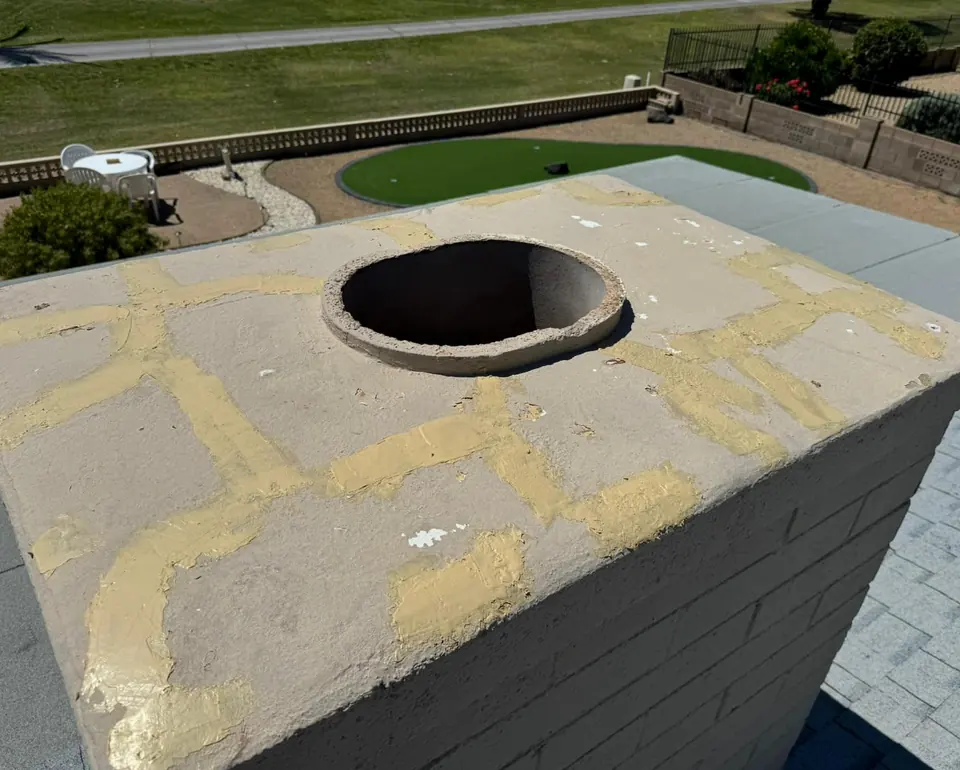
A chimney is a system of connected parts, not just the brick visible above the roof. Smoke travels through the flue, while the crown, cap, flashing and masonry help protect the structure from weather. A repair can cost more when the problem reaches several of these parts or when the visible damage is only a symptom.
The repair scope also depends on where the damage sits and what must be removed to reach it. Repointing a small area of mortar is different from rebuilding damaged masonry, replacing a liner or correcting a leak that has affected more than one part of the chimney. Each requires different materials and work.
Access matters, too. Work at the roofline or inside the flue can take different preparation from work on an accessible fireplace component. Before approving a repair, ask which part is damaged, what work addresses the cause and what could remain unresolved if only the visible spot is patched.
Which Chimney Repair Fits the Damage You Can See?
A repair should match the affected component. These comparisons can help you understand why two chimneys with similar-looking marks may need different work.
Mortar damage: tuckpointing or masonry repair
When mortar joints are deteriorating in a limited area, tuckpointing may address those joints. Cracked or damaged bricks can require masonry repair instead; check whether the proposed work identifies the affected brick and mortar, not just the surface symptom.
Widespread masonry damage: rebuild
A rebuild may be considered when deterioration extends across a larger portion of the chimney. Ask which section would be rebuilt and how the repair scope relates to the damage found.
Water entry: repair the route, not just the stain
A chimney leak can involve flashing, the crown, masonry or other openings. Chimney flashing repair, crown repair or waterproofing address different sources, so the useful check is whether the proposed work identifies where water enters.
Flue damage: liner repair or replacement
A damaged liner affects the passage that carries exhaust through the chimney. Ask what inspection finding supports the proposed liner work and whether the scope is repair or installation of a replacement liner.
Which Chimney Damage Signs Should You Document?
A clear description helps a chimney sweep focus the inspection. From a safe place indoors or at ground level, note when the problem appears and photograph visible signs without climbing onto the roof or entering the flue.
- Cracked or loose masonry — Record where the crack appears and whether it is on the chimney, firebox or surrounding wall. Do not pry at bricks or mortar to test how firmly they are attached.
- Water stains or damp areas — Note the room, ceiling or wall where the mark appears and whether it changes after rain. A stain indoors does not, by itself, identify which chimney component is letting water in.
- Smoke entering the room — Write down whether smoke appears at startup, during a fire or after the fire goes out. Stop using the fireplace if smoke is entering the home and arrange an inspection before lighting another fire.
- Debris or visible flue concerns — Photograph material that has fallen into the fireplace, if you can do so without reaching into the flue. Keep the fireplace unused until a professional checks the source and condition.
Need help now? (443) 659-7036
How to Review a Chimney Repair Before Approving It
Use these steps to prepare for a repair assessment and check that the proposed work connects the observed problem to a specific repair. Stay off the roof and leave flue examinations and repair work to a chimney professional.
- Record the symptoms — Use a phone camera to photograph visible stains, cracks or debris from a safe location. Note when you first noticed each sign and whether it follows rain or fireplace use; this helps separate the observation from a guess about its cause.
- Identify the affected area — Write down whether the concern is at the fireplace opening, inside the room, near the ceiling or visible outdoors from the ground. Check that the assessment names the part involved, such as the crown, flashing, masonry or liner.
- Ask what inspection is appropriate — A change to an appliance, a home sale, relining, or a fire or weather event can call for a Level 2 inspection. The CSIA Level 2 inspection procedure specifies a video scan for that inspection; ask whether the situation calls for that level of review.
- Match the finding to the repair — Ask which inspection finding supports the recommended repair and which chimney part it addresses. Check that the suggested work is more specific than a general instruction to seal or patch the area.
- Confirm the work boundaries — Ask what component will be repaired or replaced and whether nearby damage is included in the scope. Check the written description against the area you reported so you know what the proposed work covers.
- Clarify how completion will be checked — Ask what the technician will inspect after the repair and what condition would mean more work is needed. A clear completion check ties the result to the original finding rather than only to the appearance of a patch.
- Keep the repair record — Save the written scope, inspection findings and any photos provided after the work. Check that the documents identify the repaired component and include the warranty terms for the chimney work.
What a Chimney Repair Visit Covers—and Why Its Length Varies
A repair visit should connect the reported problem to an examined chimney component, describe the repair scope and carry out the agreed work. Depending on the issue, the work may involve masonry, flashing, a chimney crown, a liner, a damper or another listed chimney component. The assessment determines which applies; a mark or leak alone does not establish the repair.
There is no single visit length for every repair. A localized repair and work involving several components require different tasks, and an inspection may reveal damage that changes the scope. Ask what the visit includes, whether inspection and repair are both planned, and what work would need a separate approval.
For broader questions about cost factors, see what affects the average cost to repair a chimney. The useful comparison is the work and parts included in each scope, not just the visible size of the damaged area.
When Chimney Damage Means You Should Stop Using the Fireplace
A repair concern can affect safe fireplace use, especially when smoke enters the home or damage is visible around the firebox or flue. Do not climb onto the roof or try to clear a blockage or repair masonry yourself.
- Smoke comes into the room — Stop using the fireplace and arrange an inspection before using it again. Note whether smoke appears at startup or during operation, but do not run another fire to reproduce the problem.
- You see fallen material or damaged firebox surfaces — Keep people away from loose material and leave the fireplace unused until it is checked. A chimney sweep can inspect the fireplace and the connected flue to determine whether the issue reaches beyond the visible area.
- There may have been a chimney fire — Do not use the fireplace again until the chimney has been inspected, because heat can damage parts that are difficult to see from the room. The CSIA guide to chimney fire damage describes how a chimney fire can affect masonry and factory-built chimneys.
Need help now? (443) 659-7036
How to Book Chimney Repair With the Problem Clearly Identified
When you request a chimney repair service, share the symptom, where you see it and whether the fireplace is currently in use. Photos taken safely from indoors or ground level can help describe the concern, but an inspection is needed to identify concealed damage.
Maryland Chimney Sweeps serves Maryland from its Baltimore base and is open 24 hours a day, 7 days a week; same-day service is available. To book, call (443) 659-7036 or contact us with the location and a concise description of the problem. For a repair appointment, ask what the visit includes and what findings would change the work scope.
Frequently asked questions
What is the cost of a chimney repair?
The cost depends on which component is damaged, how far the damage extends and what work is needed to reach and correct it. Ask for an inspection-based scope that names the affected parts and the work included before approving a repair.
What is included in a chimney inspection before repair?
An inspection should examine the area related to the reported problem and identify the chimney components that need attention. The appropriate inspection level depends on the situation; an appliance change, sale, relining, or fire or weather event can call for a Level 2 inspection with a video scan.
Can I keep using my fireplace while I wait for chimney repair?
Stop using it if smoke enters the room, material has fallen into the fireplace or you suspect fire damage. Have a chimney professional inspect the affected parts before lighting another fire.
How do I know whether a chimney needs repair or rebuilding?
The extent and location of the damage determine whether a focused repair can address it or a larger section needs rebuilding. Ask the inspector to identify the affected area and explain how the recommended scope follows from the findings.
Get the Chimney Damage Assessed
Share what you have noticed and arrange a chimney repair assessment with Maryland Chimney Sweeps.