
What Is Included in a Chimney Inspection?
A chimney inspection checks accessible chimney and fireplace components for damage, blockage, and unsafe conditions—that’s what is included in a chimney inspection. We examine the system and identify whether a visual review is enough or a video inspection is needed.
Need help now? (443) 659-7036
What Is Included in a Chimney Inspection?
An inspection looks at the fireplace or appliance connection, the visible firebox, damper, smoke chamber, flue, chimney structure, and chimney termination. The sweep checks accessible areas for soot and creosote, obstructions, cracks, damaged masonry or metal, moisture, and signs that the chimney is not venting properly.
The findings help separate routine cleaning from a repair or a more detailed inspection. An inspection identifies conditions; sweeping removes deposits. The chimney inspection service is a separate option from a chimney sweep, and the appropriate scope depends on the appliance, access, and reason for the visit.
Which Chimney Inspection Fits the Situation?
A visual inspection is suited to a routine check when there has been no change to the appliance or chimney and no known damage. A more extensive Level 2 inspection includes examination of accessible areas and a video scan of the flue.
Routine visual inspection
This checks visible and accessible parts for buildup, damage, and signs of water entry. It can help assess a chimney that has not had a recent change or known incident.
Level 2 inspection with video scan
A Level 2 inspection is recommended after an appliance change, before a property sale, when relining is planned, or after a chimney fire or severe weather event. The CSIA Level 2 inspection procedure requires a video scan of the chimney interior for this inspection level.
Inspection plus sweeping
Choose this when the inspection finds soot or creosote that needs removal. The amount and condition of deposits guide the cleaning work; the inspection and cleaning answer different questions.
How a Chimney Inspection Moves From Firebox to Flue
The inspection follows the venting path and checks the parts that affect safe draft and containment. These are the practical areas to expect the sweep to examine:
- Check the fireplace or appliance — The sweep looks for visible damage around the firebox or appliance and checks how it connects to the chimney. Note whether the fireplace has been smoky or difficult to use.
- Examine the firebox — The firebox is checked for cracked or missing material, loose debris, and heavy deposits. The condition of these surfaces can point to heat damage or a need for cleaning.
- Inspect the damper — The damper is checked for movement, damage, and whether it opens and closes. A stuck or damaged damper can interfere with the fireplace’s airflow.
- Look into the smoke chamber — The transition above the firebox is checked for buildup, visible cracks, and obstructions. Deposits in this area can narrow the passage smoke uses to reach the flue.
- Examine the flue — The flue is checked for creosote, soot, blockages, and visible damage. When a Level 2 inspection is appropriate, a video scan helps examine the flue interior.
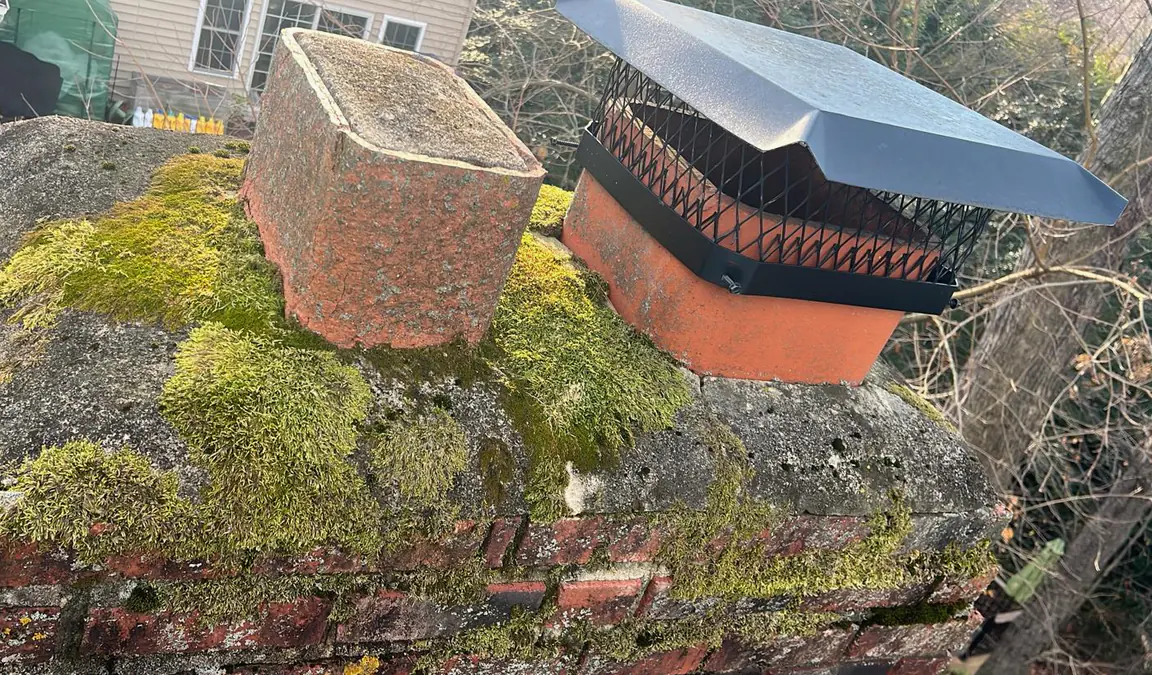
- Check the chimney exterior — Visible masonry, metal, crown, flashing, and chimney cap are checked for damage or signs of water entry. Missing or damaged parts can leave the structure exposed to weather or allow debris and animals inside.
- Review the findings — The sweep identifies what the inspection found and whether the next step is cleaning, repair, or a more detailed evaluation. Check that you understand which condition each recommended task addresses before work begins.
Need help now? (443) 659-7036
Which Clues Mean the Chimney Needs an Inspection?
A change in how the fireplace operates can signal a blockage, buildup, damage, or a draft problem. Stop using the fireplace and arrange an inspection when you notice a new or worsening issue.
- Smoke enters the room — Smoke spilling into the home can point to a draft problem, blockage, or another venting issue that needs investigation.
- You see or smell deposits — Soot or a strong smoky odor around the fireplace can indicate deposits or residue that should be assessed rather than covered up.
- Water stains or crumbling masonry appear — Moisture marks, loose mortar, or damaged brick can indicate water is reaching the chimney structure.
- A recent event changed the chimney — A chimney fire, severe weather, appliance replacement, or planned relining are reasons to ask whether a Level 2 inspection and video scan are needed.
What a Chimney Inspection Can Reveal—and What Happens Next
An inspection may find deposits that need removal, a blocked flue, a damaged liner, failing masonry, a problem at the chimney top, or signs of water intrusion. Some defects are visible during a visual check; other concerns call for a more detailed examination, including a video scan when a Level 2 inspection applies.
Ask which part is affected and whether the finding prevents safe use. A buildup issue may call for a sweep, while damaged masonry, a liner problem, or water entry may call for repair. Do not treat cleaning as a fix for structural damage. The CSIA homeowner resources explain why inspections and sweeping address different conditions, including creosote accumulation.
For a chimney used with a wood-burning appliance, the CSIA cites NFPA 211’s recommendation for an annual inspection. The same resource notes that a creosote layer of 1/8 inch or more is a threshold for sweeping. Keep a record of inspection findings so a future sweep can compare the chimney’s condition.
How Long Does a Chimney Inspection Visit Take?
Visit length depends on the inspection scope, access, and whether a video scan is needed. A visual check is narrower than a Level 2 inspection, which adds a scan of the flue and may require examining more of the chimney system.
When you book, describe the fireplace or appliance, any recent changes, and the reason you want the inspection. Smoke entering the room, visible damage, or a recent chimney event helps the sweep understand which areas and inspection scope may matter. The inspection itself can uncover a need for additional work, so cleaning or repairs may require separate time.
Need help now? (443) 659-7036
How to Book a Chimney Inspection and Prepare the Fireplace
Maryland Chimney Sweeps offers chimney inspections starting from $39, with same-day service available. Share whether you have a wood-burning fireplace, another appliance, a recent change, or a specific concern when you contact us; those details help match the visit to the reason for inspection.
Before the visit, let the fireplace cool and move personal items away from the hearth so the area is accessible. Tell the sweep about smoke, odors, falling debris, water stains, or previous work on the chimney. For a breakdown of inspection pricing, see how much a chimney inspection costs in Maryland.
Frequently asked questions
Does every chimney inspection include a camera?
No. A video scan is part of a Level 2 inspection, not every routine visual inspection. A Level 2 inspection is recommended after an appliance change, before a sale, when relining is planned, or after a chimney fire or severe weather.
Is chimney inspection different from chimney sweeping?
Yes. An inspection checks the chimney’s condition and looks for issues such as damage, blockage, and deposits; sweeping removes soot and creosote. The findings determine whether cleaning, repair, or further inspection is the appropriate next step.
What does a chimney inspection cost in Maryland?
A chimney inspection starts from $39. The inspection scope depends on the reason for the visit and whether a video scan is appropriate; use the linked pricing guide for more detail.
Should I use the fireplace if smoke is entering the room?
Stop using it until the chimney and venting path have been inspected. Smoke entering the room can point to a draft problem, obstruction, or another condition that needs attention.
Book a Chimney Inspection
Call Maryland Chimney Sweeps at (443) 659-7036. We’re open 24 hours a day, 7 days a week, and same-day service is available.