
Is a Chimney Liner Necessary?
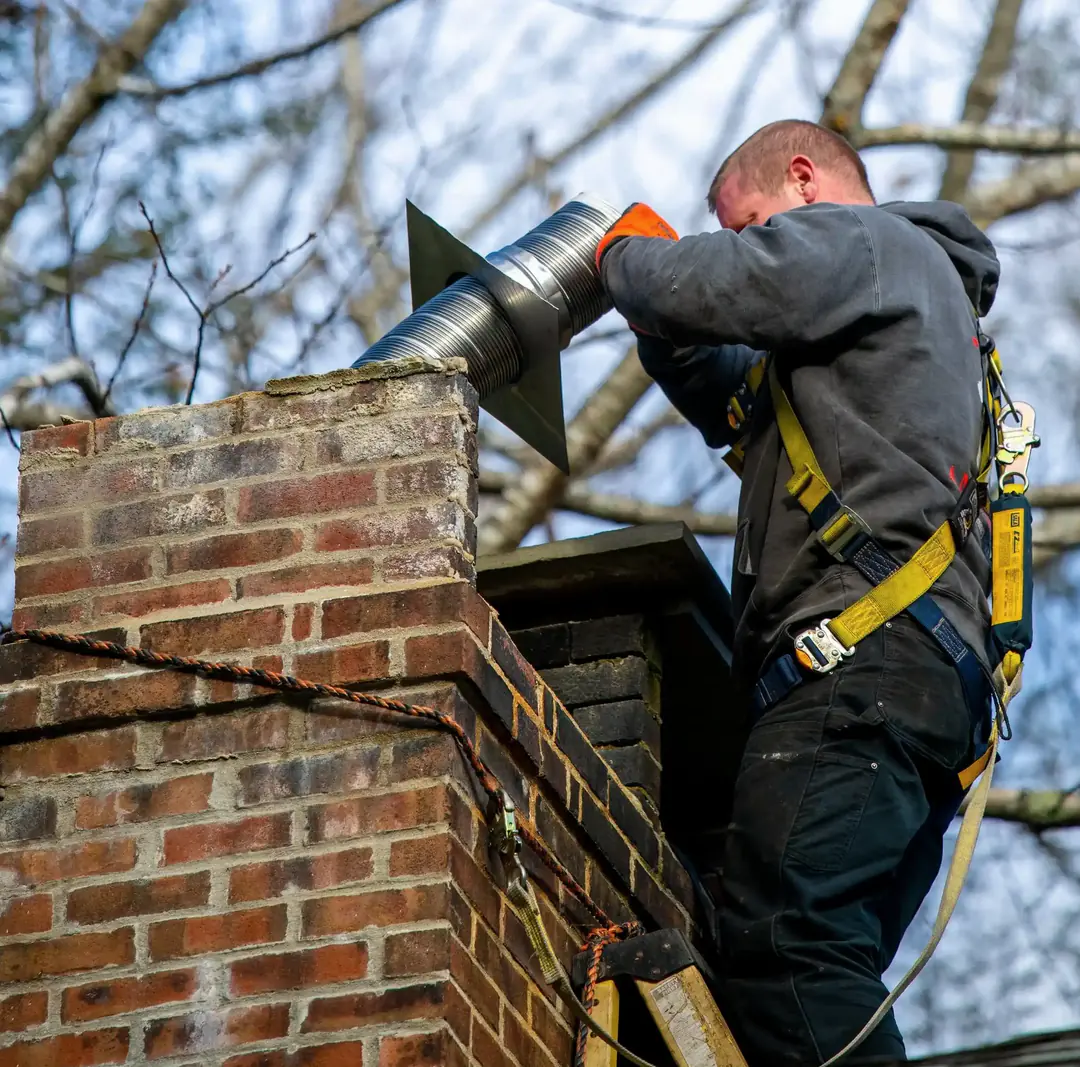
A chimney liner is necessary when your appliance or chimney design requires one, or when the existing liner is damaged or incorrectly sized. We inspect the flue and can recommend chimney liner installation when the findings call for it.
Need help now? (443) 659-7036
When Is a Chimney Liner Necessary for Your Fireplace?
A liner is needed when the appliance and chimney system require a defined flue passage, or when the current liner cannot safely serve the appliance. Its size, material, condition, and connection to the appliance all matter; an older liner is not automatically suitable for a replacement fireplace or a different fuel.
A damaged liner can leave gaps or cracks in the flue passage, while a liner that does not fit the appliance can interfere with venting. Because the right answer depends on the system inside your chimney, have a chimney professional inspect it before using a new appliance or relining the flue. For background on the part itself, read what a chimney liner is and what it does.
What a Chimney Liner Does for Your Fireplace
The liner forms the inside passage that carries combustion gases from the appliance through the chimney and outdoors. It also separates that passage from the surrounding chimney structure. A sound, properly matched liner helps the fireplace or heating appliance vent through the flue it was designed to use.
A liner does not correct every chimney problem. It cannot, by itself, repair a leaking crown, loose masonry, a blocked flue, or a damaged connection. That is why an inspection should identify the liner’s condition and the surrounding chimney’s condition before anyone recommends a repair or replacement.
Clues Your Existing Chimney Liner Needs Checking
These signs are reasons to arrange an inspection, not proof that you need a new liner. Do not climb onto the roof or reach into the flue to investigate; a sweep can check the chimney safely and assess whether the liner is suitable.
- You are changing appliances or fuel — A new fireplace, insert, or other appliance can have different venting requirements from the one it replaces. Have the flue checked before connecting or using the new unit.
- The liner looks cracked, separated, or corroded — Visible damage from a safe viewing point is a reason to stop treating the liner as serviceable until it has been assessed. A professional inspection can determine whether repair or replacement is appropriate.
- Smoke spills into the room — Smoke entering the living space can have several causes, including a venting or draft problem. Stop using the fireplace and arrange an inspection rather than assuming a new liner alone will solve it.
- The chimney has had a fire or severe weather event — A fire or weather event can affect parts of the flue that are not visible from the room. A Level 2 inspection is recommended in these situations, and it includes a video scan of the flue.
Need help now? (443) 659-7036
Choose Liner Repair, Replacement, or a System Check
The right option depends on what the inspection finds and whether the liner still matches the appliance. Compare the purpose of each next step before approving work.
Keep the existing liner
This may fit when inspection shows the liner is intact and suitable for the appliance connected to it. Confirm that the connection and the rest of the flue are also in usable condition.
Repair the liner
A repair may suit a localized, repairable defect when the remaining liner is sound and compatible. A chimney professional needs to assess the damage before deciding that a patch or repair will address it.
Install a new liner
Replacement may be appropriate when the liner is damaged beyond repair, does not suit the appliance, or relining is part of a system change. Our chimney liner installation service begins with checking the chimney and the appliance requirements.
Inspect before choosing
When the condition or fit is unclear, an inspection gives the decision a factual basis. For a change of appliance or relining, CSIA’s Level 2 inspection procedure describes when a Level 2 inspection is recommended and requires a video scan.
How a Chimney Liner Check Leads to a Clear Next Step
You can prepare useful information without opening the chimney or attempting repairs. The inspection and any installation work should be handled by a chimney professional.
- Stop using a system with a known concern — Do not use a fireplace if smoke is spilling into the room or you know the liner is damaged. Keep people away from the appliance until a professional has assessed it.
- Gather appliance details — Write down the appliance type, fuel, and model information if it is available. These details help the sweep compare the appliance with the flue and its venting needs.
- Note the change or symptom — Record whether you are changing an appliance, seeing visible damage, noticing smoke, or responding to a fire or weather event. The reason for the check helps guide the inspection.
- Arrange a chimney inspection — A sweep examines the accessible fireplace and chimney areas, then determines what further inspection is needed. Ask whether the flue needs a video scan, especially for a relining or appliance-change decision.
- Compare the liner with the appliance — The professional checks whether the existing flue arrangement is suitable for the appliance and fuel. A mismatch can make keeping an apparently intact liner the wrong choice.
- Review the findings before work — Ask which defect or compatibility issue the proposed work addresses. Separate a liner problem from other findings, such as masonry damage or a leak, so the scope matches the actual condition.
- Confirm the work and recheck — Before installation, confirm the proposed liner and connection match the inspection findings. After the work, ask the chimney professional to verify the finished installation and explain any use instructions.
What Can Go Wrong When a Liner Is Ignored or Misjudged?
Using a damaged or unsuitable flue can leave the appliance without the venting path it needs. A new liner installed without addressing the actual cause may also leave smoke, water entry, or masonry problems unresolved. Get the chimney checked before deciding that either repair or replacement is enough.
Do not try to seal cracks, remove liner sections, or fit a liner yourself. Those tasks involve the flue and its connections, which are difficult to assess from the fireplace opening. For broader chimney care, see our chimney sweep in Baltimore information; we provide chimney services throughout Maryland.
Need help now? (443) 659-7036
Book a Chimney Liner Inspection Before Choosing the Work
Start by booking an inspection and sharing the appliance details, any visible concern, and whether you are changing equipment. Chimney liner installation starts from $899; the inspection findings determine what work is appropriate for your chimney. You can also read how much chimney liner installation costs before arranging service.
Call (443) 659-7036 or use our contact page to book. We are open 24 hours a day, 7 days a week, and same-day service is available. We come to your home; the visit includes an assessment of the chimney and liner, followed by a recommendation based on the findings.
Frequently asked questions
Does every fireplace need a chimney liner?
Not every fireplace uses the same liner arrangement, so the answer depends on the appliance, chimney design, and condition of the flue. Have the chimney checked before changing an appliance or using a system with suspected liner damage.
Can a chimney liner be repaired, or does it need replacement?
A repair may be suitable for localized damage when the rest of the liner is sound and remains compatible with the appliance. Replacement may be needed when damage is extensive or the existing liner does not suit the system; inspection determines which applies.
Do gas fireplaces need a chimney liner?
Some gas appliances vent through a chimney or liner, while others use a different venting arrangement. Check the appliance requirements and have the existing venting inspected before installation or use.
What should I do if I think my chimney liner is damaged?
Stop using the fireplace if you have visible liner damage, smoke entering the room, or another clear venting concern. Arrange a chimney inspection so a professional can assess the liner and determine whether repair or replacement is needed.
Get Your Chimney Liner Checked
Call (443) 659-7036 or contact us to arrange an inspection and find out whether your chimney needs a liner repair or installation.