
What Is the Best Time of Year for Chimney Repair?
Plan routine chimney repairs for late spring or summer, before you need the fireplace regularly. Arrange urgent repairs as soon as you find active leaks, loose masonry, or damage that could affect safe use.
Need help now? (443) 659-7036
The Best Time of Year for Chimney Repair Depends on the Damage
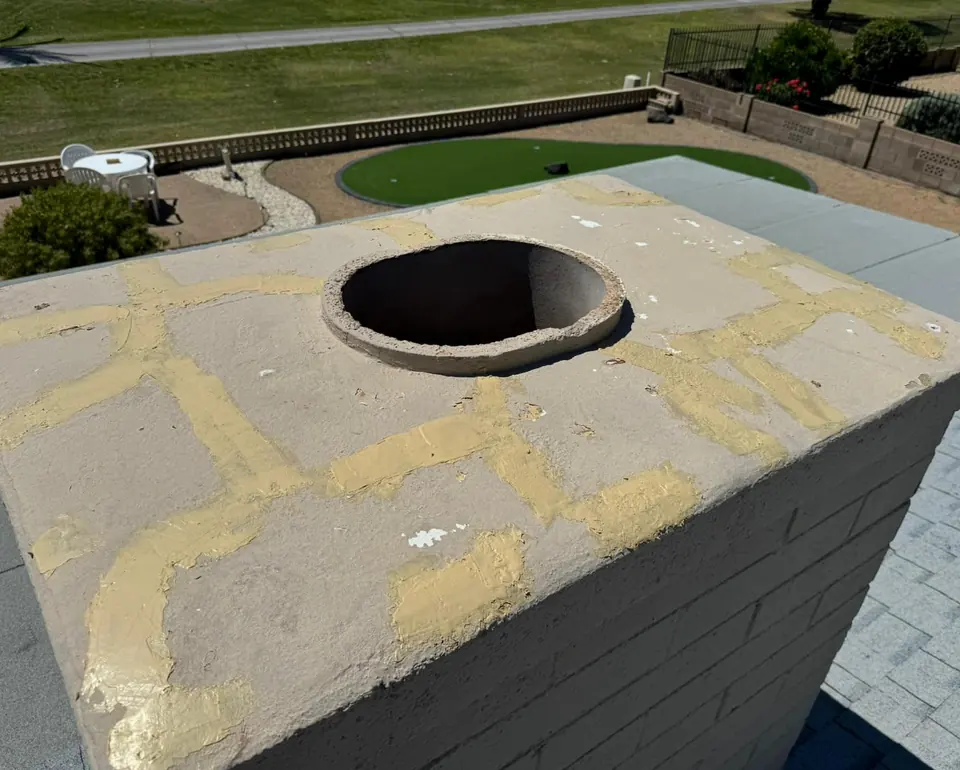
Late spring and summer are practical times for planned exterior repairs, such as masonry work, crown repairs, and flashing repairs. You can address deterioration before regular fireplace use, and the work can be scheduled around suitable conditions for the repair materials.
But the calendar should not delay a repair that protects your home or chimney. A new leak, loose bricks, a damaged flue, or smoke entering the room calls for prompt attention, even if it is midwinter. Stop using the fireplace if you suspect damage to a part that carries smoke or heat, and arrange a professional assessment.
For repairs that can wait, choose a stretch of dry weather and ask the repair professional whether the forecast suits the materials being used. Mortar and sealants need to be applied and cured according to their product instructions; damp or freezing conditions can interfere with that process.
Choose the Repair Timing by the Part of the Chimney That Needs Work
The location and purpose of the damaged part matter more than the month. These common repair types point to different next steps.
Exterior masonry, crown, or mortar joints
Schedule planned repairs in suitable dry conditions. If bricks are loose, masonry is falling, or the crown has an opening that lets water in, arrange an assessment promptly rather than waiting for the next convenient season.
Flashing or a chimney leak
A leak needs attention when you find it because water can keep reaching the roof or chimney structure. Note where water appears indoors, but do not climb onto the roof to trace the source.
Liner, damper, or smoke-path damage
Do not use the fireplace until the affected part has been checked. A visible crack or a damper that will not open or close properly can affect how the fireplace operates.
Damage after a fire or severe weather event
Have the chimney assessed before using it again. The Chimney Safety Institute of America describes situations where a Level 2 inspection is recommended, including after a fire or weather event; its masonry procedure calls for a video scan.
Gather These Details Before Booking a Chimney Repair
A few observations help describe the problem and direct attention to the right area. Keep your checks at ground level or inside the home; do not climb the roof or enter the chimney.
- Where you see the problem — Record whether the concern is at the roofline, on the chimney exterior, around the fireplace opening, or inside the room. A photo taken from a safe spot can help show what changed.
- What changed and when — Note when you first noticed a leak, crack, loose material, odor, or smoke problem, and whether it appeared after rain, wind, or fireplace use.
- What part you can identify — Mention visible bricks, mortar joints, the chimney crown, flashing, damper, or liner if you recognize them. Do not remove parts to investigate.
- Whether the fireplace is in use — Tell the repair professional whether you have used it since noticing the damage. If smoke enters the room or a flue component appears damaged, stop using it until it has been assessed.
Need help now? (443) 659-7036
Check for Chimney Damage Without Climbing on the Roof
These owner-level checks help you describe the issue; they are not a substitute for an inspection. Keep children and pets away from loose debris, and leave roof access and hands-on diagnosis to a chimney professional.
- Stop using the fireplace if there is a safety concern — Do not light another fire if smoke has entered the room, the damper is stuck, or you see damage inside the firebox or flue. Check that the fireplace remains unused while you arrange an assessment.
- Look at the fireplace opening — Use a flashlight to view the firebox and the damper area from inside the room. Look for loose pieces, visible cracks, or a damper that does not move as expected; do not reach into a damaged flue.
- Check nearby walls and ceiling — Look for water marks, peeling paint, or damp areas around the chimney’s path through the home. Note the location and whether the marks change after rain.
- View the chimney from the ground — Use binoculars only from a safe place on the ground to look for missing bricks, gaps, or an uneven top. Check whether the visible exterior condition has changed since your last view.
- Look for signs of water entry indoors — Check the attic or upper room only if you can reach it safely without entering a confined space or disturbing insulation. Look for dampness near the chimney and note the area without touching loose or damaged materials.
- Photograph what you can see — Take clear photos from the ground or inside the home, and include a wider view that shows where the damage is located. Check that the images show the area without requiring you to use a ladder.
- Share the observations when you book — Describe the location, visible signs, and any change in fireplace performance. Ask for a chimney repair assessment and check that the proposed work addresses the cause, not just the visible mark.
What a Chimney Repair Visit Should Establish
A repair visit should start with the reported problem and an assessment of the affected chimney area. The next step is to identify what repair fits the finding, whether that is masonry repair, crown repair, flashing repair, liner repair, or another service. The amount of work depends on what the assessment reveals, so visit length varies with the repair scope.
When you book, describe the issue and ask what the appointment will cover: the area to be checked, whether the repair can be completed during that visit, and what findings would change the scope. Maryland Chimney Sweeps offers chimney repair service and same-day service is available. To arrange an appointment, use contact us.
Know When Waiting for Better Weather Can Make Damage Worse
A cosmetic concern on an otherwise sound exterior may be suitable for planned work in dry conditions. A leak that continues, loose masonry, or damage around the flue is different: water can keep entering, material can continue to loosen, and an unsafe chimney should not be used while you wait for a preferred season.
Do not try to patch a chimney crown, roof flashing, or masonry from a ladder. A surface patch can hide a leak without correcting its source, and roof work adds a fall risk. Keep a record of what you see and arrange a professional assessment; for guidance on choosing the right provider, see who to call for chimney repairs.
Need help now? (443) 659-7036
Check the Repair Scope and Follow-Up Before Using the Fireplace
Before work begins, make sure you understand which part is being repaired and what condition prompted that recommendation. Ask what will be checked after the repair, whether the fireplace should remain out of use while materials cure, and what signs would mean you should report a problem.
Afterward, follow the instructions for use and curing provided for the work. Keep the repair details and any photos with your home records. If the original leak, smoke issue, or visible damage returns, stop using the fireplace when the problem affects safe operation and request a follow-up assessment.
Frequently asked questions
Can chimney repairs be done in winter?
Yes, when the repair and weather conditions allow it. A leak, loose masonry, or suspected flue damage should not be left unaddressed just to wait for warmer weather; stop using the fireplace if the damage could affect safe operation.
Should I use my fireplace while I wait for a repair?
Do not use it if smoke enters the room, the damper does not work properly, or you suspect damage to the flue or firebox. Have the affected area assessed before lighting another fire.
How long does a chimney repair visit take?
The time depends on the problem and the amount of work required. An assessment may identify further damage that changes the repair scope, so ask what the appointment includes when you book.
What should I do if I find a chimney leak?
Note where the water appears and when you see it, and take photos from a safe indoor location. Avoid climbing onto the roof or applying a temporary patch; arrange an assessment to locate and address the source.
Schedule a Chimney Repair Assessment
Describe the damage and where you see it so we can arrange the appropriate chimney repair service.